

Why Monsoon Season Is Risky for Dogs
Humidity and standing water create an ideal breeding ground for bacteria, fungi and parasites. Combined with wet fur that takes longer to dry and muddy paws that track dirt indoors, dogs face a much higher risk of skin infections, ear problems and digestive issues during this time of year compared to any other season.
Puppies, senior dogs and breeds with long or dense coats are particularly vulnerable, so it is worth paying extra attention if your dog falls into one of these categories.
Common Monsoon Diseases in Dogs
Being aware of the specific health risks helps you catch problems early. Some of the most common monsoon diseases in dogs include the following.
Skin infections and fungal issues. Prolonged dampness on the skin and coat creates a breeding ground for fungal and bacterial infections. This is one of the most frequently reported concerns and is a major reason why understanding monsoon skin infection in dogs is so important for every pet owner.
Ear infections. Floppy eared breeds like Cocker Spaniels and Beagles are especially prone to ear infections during humid weather since moisture gets trapped inside the ear canal.
Ticks and fleas. Wet, warm conditions are exactly when ticks and fleas thrive, making tick and flea prevention monsoon care one of the most important preventive steps you can take.
Leptospirosis. This bacterial infection spreads through contaminated water and mud, and cases tend to rise sharply during the rainy season. Vaccination and avoiding stagnant water are key preventive measures.
Stomach infections and diarrhea. Contaminated water sources and spoiled food are more common during monsoon, leading to a spike in digestive upsets among dogs of all ages.
Grooming and Coat Care Tips
Proper grooming becomes even more important during the rainy season. Follow these steps to keep your dog's coat and skin healthy.
- Dry your dog thoroughly after every walk. Use a clean towel to dry the coat and paws completely, paying close attention to areas between the toes where moisture tends to collect.
- Trim longer coats. Shorter fur dries faster and reduces the chances of fungal growth, especially for breeds with thick or double coats.
- Clean paws and check for injuries. Wipe paws with a damp cloth followed by a dry towel after every outdoor trip, and check regularly for cuts, ticks or signs of irritation.
- Check and clean ears weekly. Use a vet approved ear cleaning solution to prevent moisture buildup, particularly for floppy eared breeds.
- Brush regularly. Regular brushing helps air circulate through the coat and prevents matting, which can trap moisture against the skin.
Dog Walking Tips for Rainy Season
Exercise remains important even when the weather turns unpredictable. These dog walking tips rainy season owners should keep in mind will help you maintain your dog's routine safely.
- Choose shorter, more frequent walks instead of one long walk to reduce prolonged exposure to wet conditions.
- Avoid walking through puddles and stagnant water, since these are common sources of bacteria and parasites.
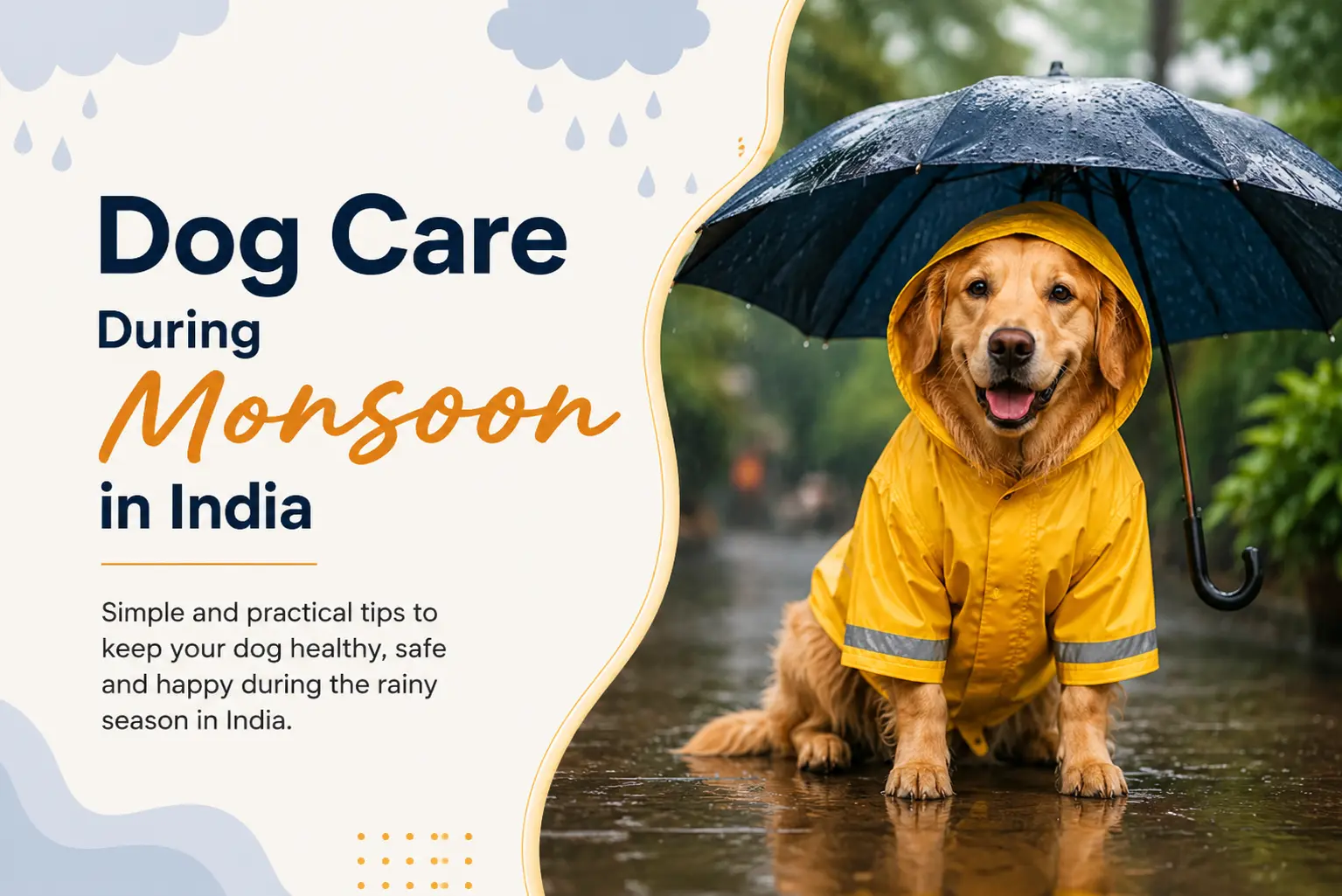
- Invest in a dog raincoat for breeds with short or thin coats that struggle to retain body heat when wet.
- Walk during breaks in the rain rather than during heavy downpours whenever possible.
- Always dry your dog immediately after returning indoors, even if the walk was brief.
Diet and Nutrition During Monsoon
What your dog eats matters just as much as how you groom and exercise them. Proper dog food during monsoon management can help prevent digestive issues and support a stronger immune system.
Stick to fresh, home cooked or high quality packaged food. Avoid leaving food out for long periods, since humidity accelerates spoilage.
Ensure access to clean, filtered water at all times. Contaminated water is one of the leading causes of stomach infections during the rainy season.
Add immunity boosting foods where appropriate. Foods rich in probiotics, along with vet approved supplements, can help support your dog's digestive health during this higher risk period.
Avoid sudden diet changes. Stick to a consistent feeding routine, since digestive systems are already under more strain during humid weather.
Preventing Ticks, Fleas and Parasites
Parasite prevention deserves special focus during monsoon since flea and tick populations multiply rapidly in warm, damp conditions.
- Use a vet recommended tick and flea preventive treatment consistently throughout the season, not just when you notice a problem.
- Check your dog's coat and skin after every outdoor outing, paying close attention to the ears, armpits and between the toes.
- Wash bedding and grooming tools regularly to prevent parasites from establishing themselves indoors.
- Keep your garden or outdoor area trimmed and free of standing water, which attracts mosquitoes as well as fleas.
Home Environment and Hygiene
Your dog's living space also needs extra attention during the rainy months.
Keep bedding dry and clean. Damp bedding can quickly become a breeding ground for bacteria and unpleasant odors, so wash and dry it thoroughly on a regular schedule.
Improve ventilation indoors. Good airflow helps reduce humidity levels inside your home, which benefits both your dog's coat and your household in general.
Disinfect frequently used areas. Wipe down floors and surfaces your dog regularly touches to reduce the buildup of bacteria and fungal spores during humid weather.
When to Visit the Vet
While most monsoon related issues can be managed with good preventive care, certain symptoms warrant a prompt visit to the veterinarian. Watch for persistent scratching, unusual odor from the skin or ears, lethargy, loss of appetite, vomiting or diarrhea lasting more than a day, or visible ticks that are difficult to remove safely at home. Early intervention almost always leads to faster, easier recovery, so do not wait if something seems off with your dog's usual behavior.
Extra Care for Puppies and Senior Dogs
Puppies and older dogs need a more cautious approach during the rainy season, since both groups tend to have weaker immune systems compared to healthy adult dogs.
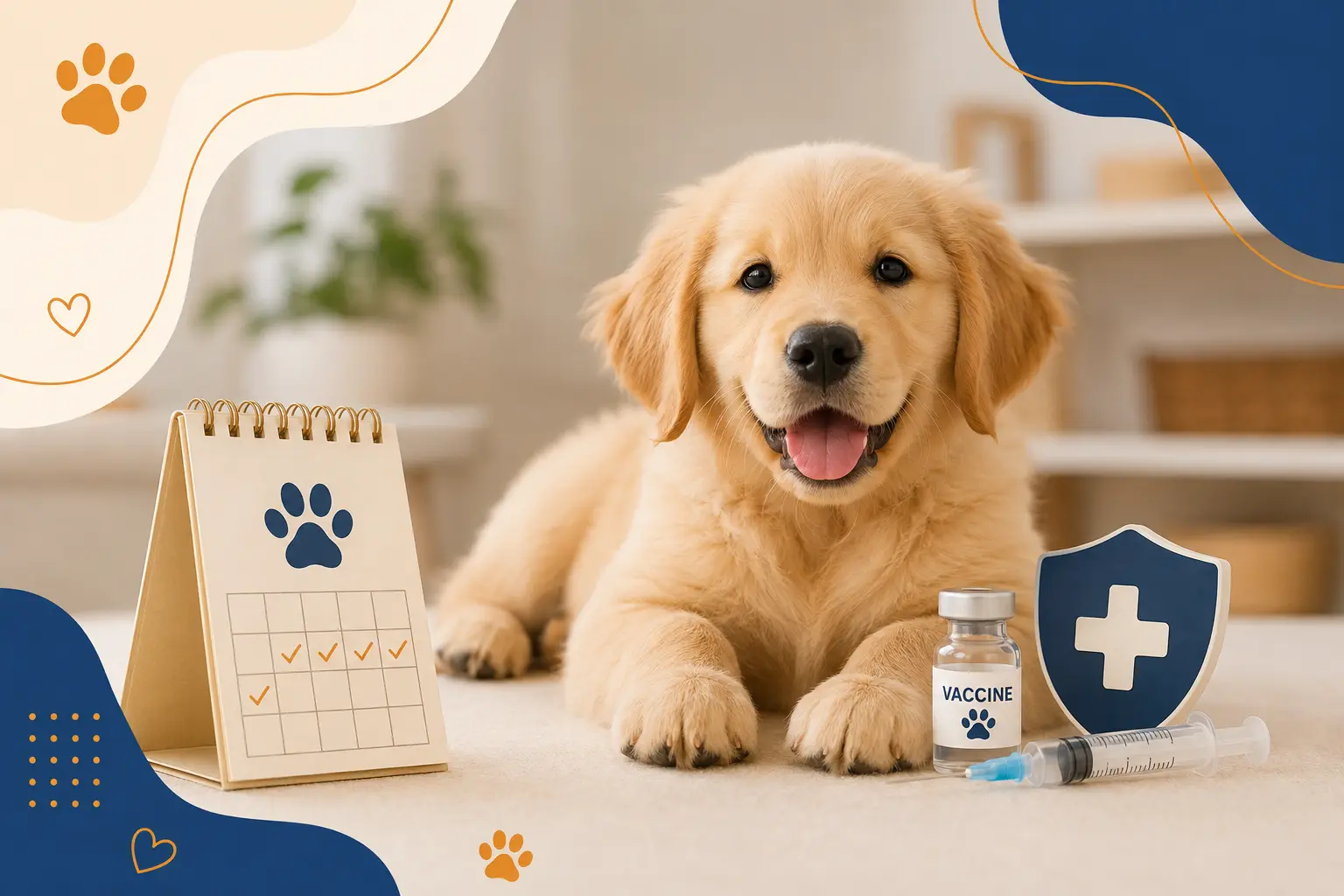
Puppies are still building their immunity and are more susceptible to infections and parasites. Limit their exposure to muddy or waterlogged areas, keep vaccinations on schedule, and avoid letting them play in standing water where bacteria and parasites are most concentrated.
Senior dogs often have joint issues that can worsen in damp, cold conditions, along with a slower recovery time if they do fall ill. Keep older dogs warm and dry, watch closely for any changes in mobility or appetite, and consider shorter, gentler walks rather than the longer routines they may have managed comfortably in drier months.
In both cases, closer observation and slightly more frequent vet check ins during monsoon can help catch potential problems before they become serious.
Common Mistakes Pet Owners Make During Monsoon
Even well meaning pet owners sometimes make small mistakes that increase health risks during the rainy season. Being aware of these can help you avoid unnecessary vet visits.
Skipping the towel dry after short walks. Even a brief five minute walk in light drizzle can leave a dog's coat damp enough to encourage fungal growth if left to air dry naturally indoors.
Delaying flea and tick treatment. Some owners only start prevention once they notice a problem, but by then the parasite population has often already established itself both on the dog and in the home environment.
Leaving wet bedding unchanged. A damp bed is a comfortable environment for bacteria and can undo a lot of the good work done through regular grooming and drying.
Ignoring minor limping or scratching. Small symptoms are often dismissed as temporary discomfort, when they can actually be early signs of infection, ticks or joint strain related to cold, damp conditions.
Overfeeding due to reduced outdoor activity. With shorter walks during heavy rain, some dogs get less exercise than usual, so it helps to adjust portion sizes slightly to avoid unwanted weight gain over the season.